
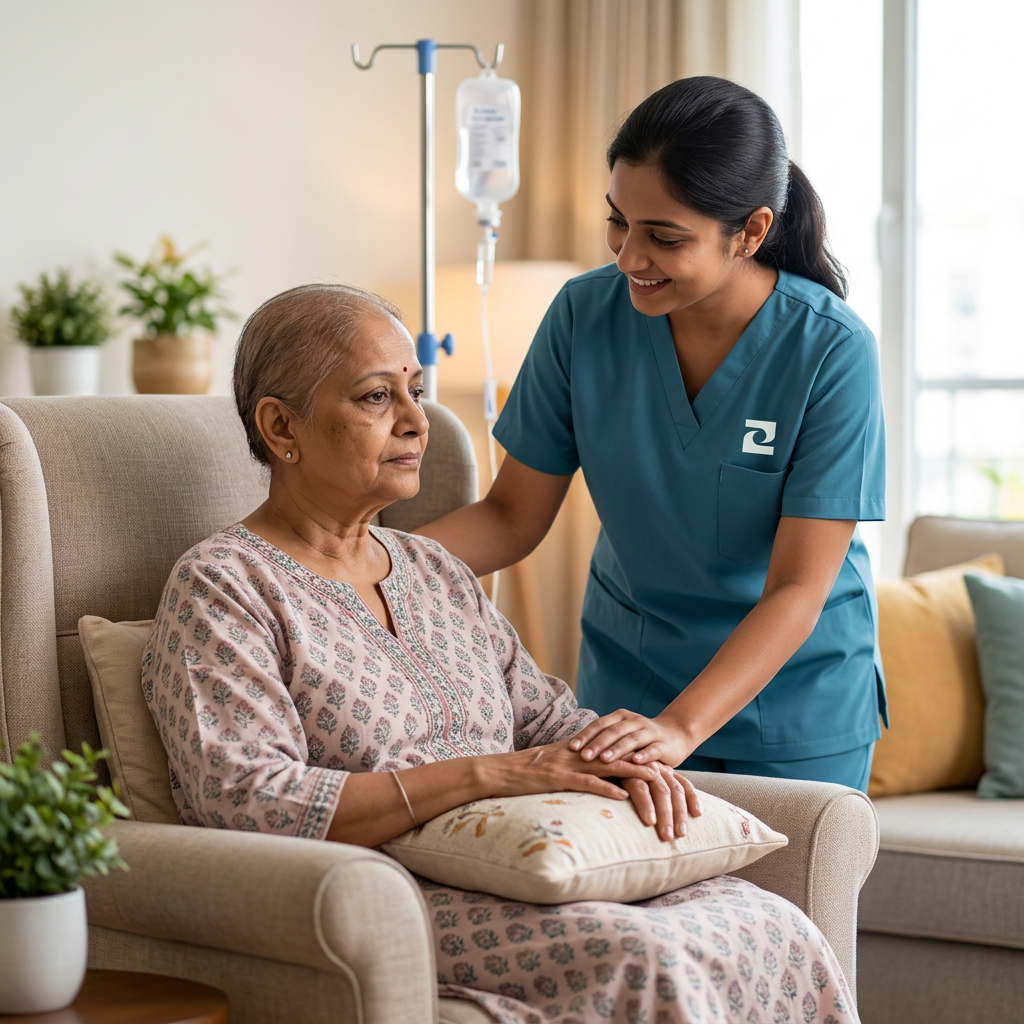
Chemotherapy is one of the most common and effective treatments for cancer, but it also brings significant physical and emotional challenges. While hospitals handle the administration of chemotherapy drugs, much of the recovery and day-to-day care happens at home. This is where home nursing care becomes a vital part of the treatment journey.
Home nursing provides professional medical support in the comfort of a patient’s home, ensuring continuous care, better symptom management, and improved quality of life. For cancer patients undergoing chemotherapy, this support can make a meaningful difference in both recovery and overall well-being.
Understanding Chemotherapy and Its Effects
Chemotherapy works by targeting rapidly dividing cancer cells. However, it also affects healthy cells, leading to side effects that can be difficult to manage without proper care.
Common side effects include fatigue, nausea, vomiting, loss of appetite, weakened immunity, hair loss, and emotional distress. These symptoms can vary in intensity depending on the type of cancer and treatment plan. Without proper monitoring and care, they can severely impact a patient’s daily life.
This is why continuous support outside the hospital setting is essential—and home nursing plays a key role in filling that gap.
Personalized Care at Home
One of the biggest advantages of home nursing is personalized care. Unlike hospitals where attention is divided among many patients, home nurses focus entirely on one individual.
They create care routines based on:
- The patient’s medical condition
- Treatment schedule
- Physical strength and limitations
- Emotional needs
This personalized approach ensures that the care provided is not only medically accurate but also comfortable and suited to the patient’s lifestyle.
Managing Chemotherapy Side Effects
Chemotherapy side effects can be unpredictable and sometimes severe. Home nurses are trained to manage these symptoms effectively and respond quickly when issues arise.
They assist with:
- Controlling nausea and vomiting through medications
- Monitoring fatigue and suggesting energy management techniques
- Managing pain as per medical guidance
- Ensuring proper hydration
Timely intervention helps prevent complications and reduces discomfort for the patient.
Medication Management
Cancer patients often have complex medication schedules, including chemotherapy drugs, supportive medications, and supplements.
Home nurses ensure:
- Medications are taken at the correct time
- Dosages are followed accurately
- Side effects are observed and recorded
- Any adverse reactions are reported to doctors
This level of supervision reduces the chances of missed doses or medication errors.
Infection Prevention and Hygiene
Chemotherapy weakens the immune system, making patients more vulnerable to infections. Even minor infections can become serious if not addressed quickly.
Home nurses maintain strict hygiene standards by:
- Keeping the patient’s environment clean
- Practicing proper sanitization
- Monitoring for signs of infection such as fever or swelling
- Educating family members about hygiene practices
This proactive approach helps keep patients safe during a critical phase of treatment.
Nutritional Support
Proper nutrition is essential for cancer patients, especially during chemotherapy. However, side effects like nausea and loss of appetite can make eating difficult.
Home nurses help by:
- Suggesting easy-to-digest, nutritious meals
- Monitoring food and fluid intake
- Encouraging small, frequent meals
- Coordinating with dieticians if needed
This ensures that the patient maintains strength and supports recovery.
Emotional and Mental Support
Chemotherapy is not just physically exhausting—it can also be emotionally overwhelming. Patients may experience anxiety, fear, and mood changes.
Home nurses provide emotional support by:
- Offering companionship
- Listening to patient concerns
- Encouraging a positive routine
- Helping patients cope with treatment-related stress
Having someone present who understands their condition helps patients feel less alone.
Supporting Family Members
Family members often become caregivers, which can be physically and emotionally demanding. Home nursing helps reduce this burden.
Nurses:
- Share caregiving responsibilities
- Guide families on proper care techniques
- Provide reassurance during difficult situations
This support allows family members to focus on emotional connection rather than just medical responsibilities.
Continuous Monitoring and Early Detection
One of the most critical benefits of home nursing is continuous monitoring. Unlike occasional hospital visits, home nurses observe the patient regularly and can detect early warning signs.
They monitor:
- Vital signs like temperature and blood pressure
- Changes in symptoms
- Signs of complications such as infections or dehydration
Early detection allows for timely medical intervention, preventing serious health risks.
Reducing Hospital Visits
Frequent hospital visits can be tiring and stressful for chemotherapy patients. Travel, waiting times, and exposure to infections add to the discomfort.
Home nursing reduces this burden by:
- Managing minor complications at home
- Providing follow-up care after chemotherapy sessions
- Coordinating with doctors remotely when needed
This makes the treatment journey more convenient and less exhausting.
Assistance with Medical Procedures
Some patients require medical procedures at home as part of their care.
Home nurses are trained to handle:
- IV therapy (as prescribed)
- Injections
- Wound care
- Catheter management
Providing these services at home ensures safety while eliminating unnecessary hospital trips.
Encouraging Physical Activity
While rest is important, light physical activity can help improve strength and reduce fatigue.
Home nurses guide patients with:
- Gentle exercises
- Mobility support
- Preventing stiffness and weakness
They ensure that activities are safe and suitable for the patient’s condition.
Improving Quality of Life
Home nursing care focuses not just on treatment, but on improving the patient’s overall quality of life.
Patients benefit from:
- Comfort of familiar surroundings
- Reduced stress and anxiety
- Better sleep and routine
- Increased sense of independence
Being at home with proper support creates a more positive healing environment.
Coordination with Healthcare Providers
Home nurses act as a bridge between the patient and their healthcare team.
They:
- Communicate patient updates to doctors
- Report any concerning symptoms
- Assist in adjusting care plans
This ensures continuity and effectiveness in treatment.
Palliative and Comfort Care
In advanced stages of cancer, care may focus more on comfort than cure. Home nursing plays a crucial role in providing compassionate support.
This includes:
- Pain management
- Emotional support
- Maintaining dignity and comfort
- Supporting families during difficult times
Such care ensures that patients are treated with respect and compassion.
When to Consider Home Nursing
Home nursing should be considered when:
- Side effects become difficult to manage
- The patient needs regular monitoring
- Hospital visits become exhausting
- Family members feel overwhelmed
Starting home nursing early can significantly improve patient outcomes.
Choosing the Right Home Nursing Service
Selecting the right service is important for safety and quality care.
Look for:
- Qualified and experienced nurses
- Good communication with doctors
- Flexible care options
- Positive patient feedback
A reliable service ensures peace of mind for both patients and families.
Conclusion
Chemotherapy is a challenging journey, but the right support system can make it more manageable. Home nursing provides essential care that extends beyond hospital treatment, offering medical expertise, emotional support, and personalized attention.
By helping manage side effects, prevent complications, and improve daily comfort, home nurses play a vital role in the recovery process. Most importantly, they allow patients to undergo treatment in a familiar, supportive environment surrounded by their loved ones.
In modern healthcare, home nursing is not just an option—it is an important part of holistic cancer care, ensuring that patients receive the dignity, comfort, and care they truly deserve.