
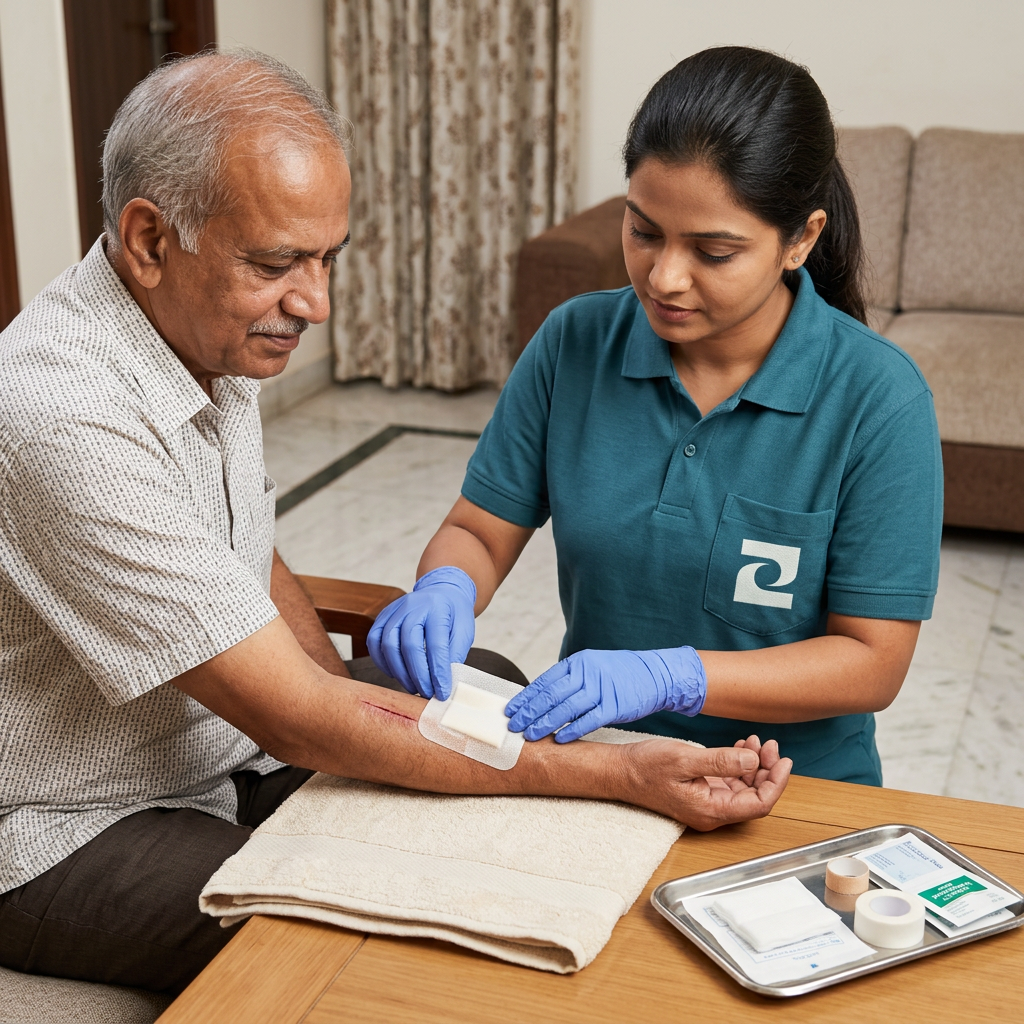
Wound care is something many people try to manage on their own, especially for minor cuts, scrapes, or burns. With basic first aid knowledge and easily available supplies, self-care often works well for small, uncomplicated wounds. However, not all wounds are the same—and treating certain types at home without proper expertise can lead to serious complications.
In recent years, home healthcare services have made it easier to receive professional wound care without visiting a hospital. Yet, many families delay seeking help, assuming the wound will heal on its own. This delay can increase the risk of infection, slow down healing, and even lead to long-term health issues.
Understanding when a wound requires professional dressing is crucial for safe and effective recovery. In this blog, we’ll explore the key signs that indicate it’s time to move beyond self-care and seek professional wound management at home.
Understanding Different Types of Wounds
Before identifying warning signs, it’s important to understand that wounds vary in severity and complexity.
Common Types of Wounds
- Minor wounds: Small cuts, scratches, and superficial burns
- Chronic wounds: Diabetic ulcers, pressure sores, non-healing wounds
- Surgical wounds: Post-operative incisions
- Traumatic wounds: Deep cuts, injuries, or accidents
While minor wounds can often be managed at home, more complex wounds require specialized care and monitoring.
Why Proper Wound Dressing Matters
Wound dressing is not just about covering an injury—it plays a vital role in healing.
Functions of Proper Dressing
- Protects the wound from infection
- Maintains a moist healing environment
- Absorbs excess fluid
- Promotes faster tissue repair
Improper dressing or neglect can delay healing and increase the risk of complications.
Sign 1: The Wound Is Not Healing
One of the clearest signs that you need professional help is when a wound does not show signs of healing within a reasonable time.
What to Look For
- No visible improvement after several days
- Wound size remains the same or increases
- No formation of new tissue
Why It Happens
Non-healing wounds may indicate underlying issues such as infection, poor blood circulation, or chronic conditions like diabetes.
What to Do
If a wound is not healing, a healthcare professional can assess the cause and provide appropriate treatment.
Sign 2: Signs of Infection Are Present
Infections are one of the most serious risks associated with improper wound care.
Common Symptoms
- Redness and swelling
- Warmth around the wound
- Pus or discharge
- Foul odor
- Fever
Why This Is Serious
If left untreated, infections can spread and lead to severe complications, including bloodstream infections.
Action Required
Immediate professional care is essential to control the infection and prevent further damage.
Sign 3: The Wound Is Deep or Large
Not all wounds are suitable for self-care. Deep or large wounds require proper cleaning, dressing, and sometimes medical intervention.
Indicators of a Serious Wound
- Deep cuts exposing tissue
- Heavy bleeding
- Wide or open wounds
Risks of Self-Treatment
- Incomplete cleaning
- Improper closure
- Higher risk of infection
Professional wound dressing ensures proper healing and reduces complications.
Sign 4: Presence of Chronic Conditions
Patients with certain health conditions are more vulnerable to complications.
High-Risk Conditions
- Diabetes
- Poor circulation
- Weak immune system
Why This Matters
These conditions can slow healing and increase infection risk, making professional care necessary even for small wounds.
Sign 5: Increasing Pain Instead of Improvement
Pain is a natural part of healing, but it should gradually decrease over time.
Warning Signs
- Pain getting worse instead of better
- Sharp or persistent discomfort
- Pain accompanied by swelling or redness
What It Indicates
Increasing pain may signal infection, inflammation, or improper healing.
Sign 6: Excessive Fluid or Bleeding
Some fluid discharge is normal, but excessive drainage or bleeding is not.
What to Watch For
- Continuous bleeding
- Thick or colored discharge
- Soaked dressings frequently
Why It’s Concerning
This may indicate infection or internal damage that requires medical attention.
Sign 7: Bad Odor from the Wound
A foul smell is often a sign of infection or tissue damage.
Why It Happens
- Bacterial growth
- Dead tissue (necrosis)
What to Do
Do not ignore this sign—professional wound care is required immediately.
Recognizing the early signs that a wound needs professional care can prevent complications, but understanding what happens next is equally important. Professional wound dressing is not just about cleaning and covering—it involves proper assessment, technique, and ongoing monitoring to ensure safe healing.
Let’s explore additional signs, benefits of expert care, and how families can make better decisions when managing wounds at home.
Sign 8: The Wound Keeps Reopening
A wound that repeatedly opens after starting to heal is a clear indication that something is not right.
Possible Reasons
- Weak tissue healing
- Infection
- Excessive movement or pressure
Why It Needs Attention
Repeated reopening delays recovery and increases infection risk. A professional can identify the root cause and apply the right dressing techniques.
Sign 9: Discoloration Around the Wound
Changes in skin color around the wound should not be ignored.
What to Look For
- Darkening or blackening of skin
- Yellow or green patches
- Unusual redness spreading outward
What It Indicates
Discoloration may signal poor blood circulation, infection, or tissue damage, which requires immediate medical evaluation.
Sign 10: You Are Unsure How to Dress the Wound Properly
Sometimes the biggest sign is uncertainty itself.
Common Situations
- Confusion about which dressing to use
- Not knowing how often to change dressings
- Difficulty handling sensitive wounds
Why Professional Help Is Better
Incorrect dressing methods can do more harm than good. Trained professionals ensure the right materials and techniques are used.
Common Mistakes in Self Wound Care
Even with good intentions, self-care can go wrong.
Frequent Errors
- Using non-sterile materials
- Changing dressings too often or too rarely
- Applying home remedies without medical advice
- Ignoring hygiene practices
Impact of These Mistakes
These mistakes can slow healing, cause infections, and worsen the wound condition.
Benefits of Professional Wound Dressing at Home
Choosing professional care offers several advantages beyond basic treatment.
1. Proper Assessment
Healthcare professionals evaluate the wound type, depth, and condition before deciding the treatment.
2. Use of Sterile Techniques
Professionals follow strict hygiene and sterilization protocols, reducing infection risk.
3. Faster Healing
Correct dressing methods promote quicker tissue repair and recovery.
4. Pain Management
Proper techniques reduce discomfort during dressing changes.
5. Regular Monitoring
Professionals track healing progress and make necessary adjustments to treatment.
How Professional Home Wound Care Works
Understanding the process can help families feel more confident about seeking help.
Typical Steps
- Initial assessment of the wound
- Cleaning and disinfecting the area
- Application of appropriate dressing
- Guidance on care and precautions
- Regular follow-up visits
This structured approach ensures safe and consistent healing.
Creating a Safe Environment for Wound Care at Home
Even with professional help, maintaining a clean environment is important.
What Families Should Do
- Keep the area clean and clutter-free
- Wash hands before and after touching the wound
- Use only prescribed materials
- Avoid unnecessary contact with the wound
A hygienic environment supports effective treatment.
When to Act Immediately
Certain situations require urgent medical attention.
Emergency Signs
- Rapid swelling or redness
- High fever
- Severe pain
- Spreading infection
- Black or dead tissue
Delaying care in these cases can lead to serious complications.
Final Thoughts: Don’t Wait for Complications
Many people delay professional care, hoping the wound will heal on its own. However, waiting too long can turn a manageable issue into a serious problem.
Seeking timely help is not a sign of overreaction—it’s a step toward safer and faster recovery.
Conclusion
Wound care is more than just basic first aid—it requires proper knowledge, hygiene, and timely intervention. While minor wounds can often be managed at home, certain signs clearly indicate the need for professional wound dressing.
Non-healing wounds, infections, excessive pain, unusual discharge, and underlying health conditions are all signals that should not be ignored. Attempting to manage such wounds without proper expertise can lead to complications and delayed recovery.
By recognizing these warning signs and choosing professional care when needed, families can ensure better healing outcomes, reduce risks, and provide safer care for their loved ones.
Ultimately, the goal is not just to treat the wound—but to heal it properly, safely, and completely.